Just How to Evaluate Waterproof Camping Products
When you're deep in the backcountry and the sky opens, your gear is all that separates you and a miserable evening. Waterproof outdoor camping materials-- from outdoors tents and tarps to rainfall coats and resting bag covers-- are only just as good as your ability to validate they actually function. Do not wait till you're saturated to find out your gear has actually fallen short. Right here's how to appropriately check waterproof camping materials prior to you go out.
Comprehending Waterproofing Scores
Before you start any hands-on testing, it assists to understand how waterproofing is measured. Most camping equipment uses a hydrostatic head (HH) rating, expressed in millimeters. This number informs you just how much water stress a fabric can endure before it starts to leakage. A rating of 1,500 mm is normally considered waterproof for light rainfall, while severe outdoor camping gear commonly falls in the 3,000 mm to 10,000 mm range. Seams, zippers, and layers can all affect real-world efficiency, so a high score on the textile alone does not guarantee complete security.
The Basic Home Water Test
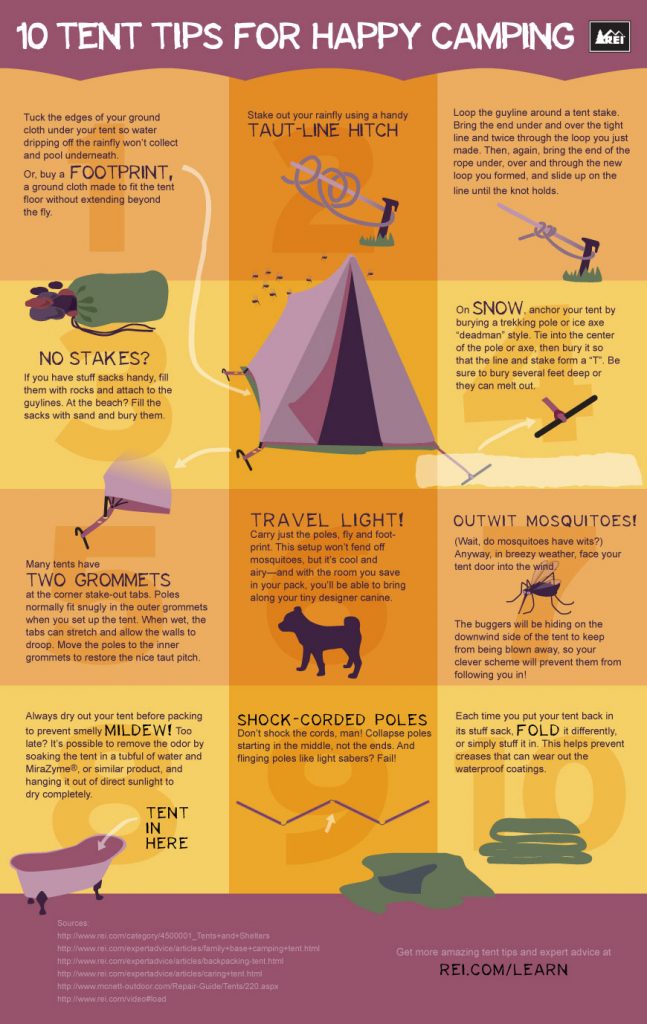
The most basic means to test any type of water-proof product is with a garden hose or a bucket of water. Establish your outdoor tents, tarp, or lay your jacket level and simulate rainfall by running water over the surface continuously for 5 to ten minutes. Watch closely for 2 things: beading and penetration.
Water ought to bead up and roll off a correctly treated surface area instead of soaking in and dimming the fabric. If the product starts to "damp out"-- implying water spreads throughout the surface area and absorbs as opposed to beads-- the resilient water repellent (DWR) finishing might be worn down, even if the hidden membrane layer is still intact.
After the exterior test, check the within the material for any kind of wetness. A couple of small wet spots near joints deserve noting, yet extensive moisture suggests a much more significant problem.
Evaluating Joints and Stitching
Joints are one of the most vulnerable part of any kind of water-proof equipment. Even if the fabric itself is solid, poorly taped or secured seams will certainly allow water in promptly. To examine them especially, run water straight along every seam line while pressing carefully on the material to imitate stress from wind or movement. After that examine the inside right away.
What to Seek
Seek joint tape that is peeling, cracked, or raising at the edges. Also small gaps in joint tape can enable significant water breach gradually. If you discover compromised joints, seam sealer is an economical solution that can recover full waterproof efficiency before your journey.
Evaluating Rainfall Coats and Clothes
Water resistant clothes requires a somewhat various method. Put the coat on-- or things it with a pillow to keep its form-- and subject it to a stable stream of water from a shower or pipe for several minutes. Move the coat around as you would naturally while treking, since flexing and movement can reveal vulnerable points that aren't obvious when the garment is fixed.
Checking the DWR Finish
After moistening the coat, consider the outer surface. Healthy DWR coating triggers water to bead into round droplets. If the textile surface area looks consistently dark and wet rather, the DWR has degraded. This does not mean the coat is messed up-- the underlying waterproof membrane layer may still be useful-- yet a jeopardized DWR makes you really feel clammy and decreases breathability substantially. Restoring DWR with a wash-in or spray-on treatment and roll drying on reduced heat can commonly bring old gear back to life.
Stress and Stress Testing
Genuine outdoor camping problems involve greater than easy rainfall. Wind pushes water versus surface areas, and contact with tent floors or pack covers produces stress points. Mimic this by pushing a wet cloth strongly against joints and textile panels for thirty seconds and checking for infiltration. For tent floors particularly, kneel on the material from the within while someone uses water to the outside-- this simulates the pressure of a body resting on the floor throughout a tornado.
Testing After Washing and Storage space
Water-proof finishes deteriorate with usage, warm, oils, and inappropriate storage. Always retest gear after cleaning it, even if you used a technical cleaner. In a similar way, gear that has been saved pressed for long periods-- a things sack at the end of a closet-- can develop creases that stress the water resistant membrane layer. A fast test before the period begins can save you from unpleasant shocks.
When to Change As Opposed To Repair
Not all waterproofing failures are fixable. If a membrane layer is noticeably split, flaking from the fabric, or if water passes through openly in spite of fresh seam securing and DWR therapy, the product has actually reached the end of its valuable life. Remaining to depend on compromised equipment in extreme click here to investigate conditions is a genuine safety and security danger. Investing in a substitute prior to a major journey is always far better than using gear you're no more positive in.
Evaluating your water-proof outdoor camping materials takes less than an hour and can make the distinction in between an excellent experience and a harmful one. Make it a habit every season-- your comfort and safety and security depend on it.